SDI is committed to saving lives of communities affected by disasters through emergency relief interventions. Our aim is to prevent hunger, malnutrition and diseases that come with disasters such as floods and droughts. Our approach includes providing both short term and long term assistance .
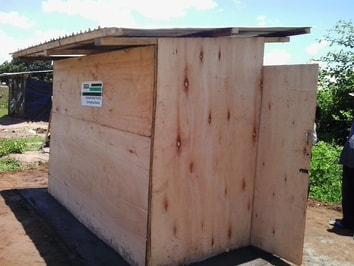
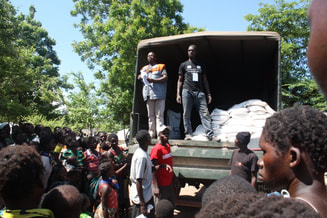
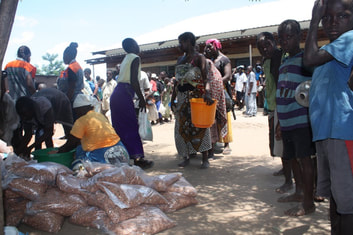
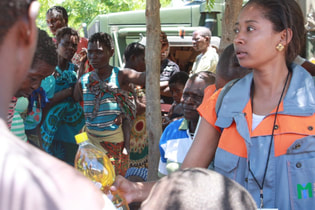
SDI has carried out disaster relief and recovery programmes in Malawi. With funding from IM Swedish development Partner the organization provided humanitarian assistance to 2015 floods victims and 2016 hunger stricken households in Chikhwawa district supporting over 3000 households with both food and non-food items, addressing both relief and recovery needs. Under-five Children, Pregnant Women, Lactating Mothers and youth were primary beneficiaries of the donation. The activity helped to prevent cases of hunger, malnutrition, malaria, cholera and dysentery. Irrigation pumps (Treadle pumps) and seeds allowed flood victims (especially the youth) to replant crops that were washed aware. The youth established gardens and some have already started harvesting their crops for food and income. Over 2000 trees have been planted. The latrines that SDI/IM provided helped to reduce the risks of cholera, dysentery and other waterborne diseases. During the distribution of the relief items, SDI team also provided awareness on water, sanitation and hygiene at the camps. Flood victims were encouraged on proper use of latrines. They were also advised to wash their hands and cooking utensils so as to avoid creating other hazards such cholera and skin diseases. Mosquito nets that were provided helped to reduce cases of Malaria especially to pregnant under-five children and pregnant women who tend to be more vulnerable to malaria.
SDI has carried out disaster relief and recovery programmes in Malawi. With funding from IM Swedish development Partner the organization provided humanitarian assistance to 2015 floods victims and 2016 hunger stricken households in Chikhwawa district supporting over 3000 households with both food and non-food items, addressing both relief and recovery needs. Under-five Children, Pregnant Women, Lactating Mothers and youth were primary beneficiaries of the donation. The activity helped to prevent cases of hunger, malnutrition, malaria, cholera and dysentery. Irrigation pumps (Treadle pumps) and seeds allowed flood victims (especially the youth) to replant crops that were washed aware. The youth established gardens and some have already started harvesting their crops for food and income. Over 2000 trees have been planted. The latrines that SDI/IM provided helped to reduce the risks of cholera, dysentery and other waterborne diseases. During the distribution of the relief items, SDI team also provided awareness on water, sanitation and hygiene at the camps. Flood victims were encouraged on proper use of latrines. They were also advised to wash their hands and cooking utensils so as to avoid creating other hazards such cholera and skin diseases. Mosquito nets that were provided helped to reduce cases of Malaria especially to pregnant under-five children and pregnant women who tend to be more vulnerable to malaria.
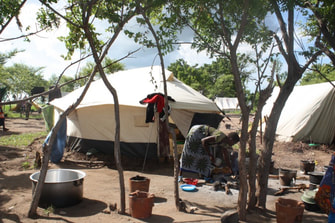
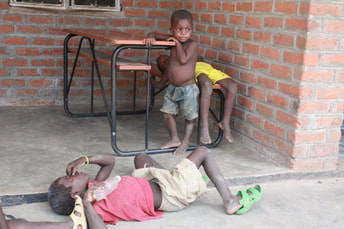
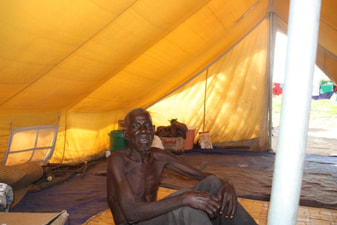
The situation and its impact on households

|
|
|
|
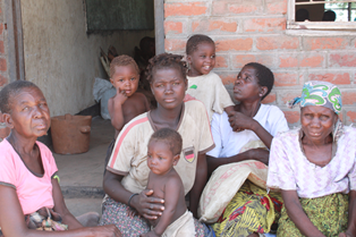
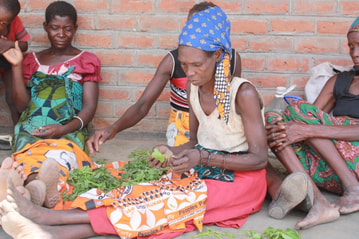
The desperation among women and Children
|
|
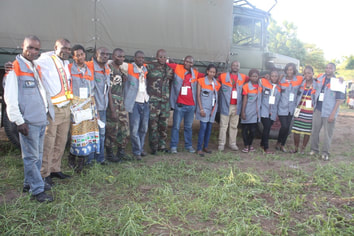
SDI Emergency Response team partnering with the Malawi Defence Force
|
|
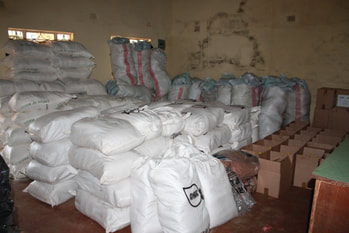
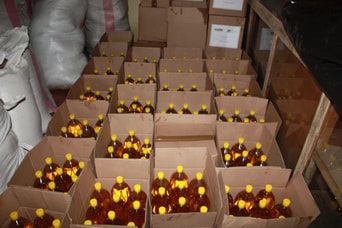
Relief commodities in a warehouse ready for transportation to flood victims in camps in Chikhwawa
|
|
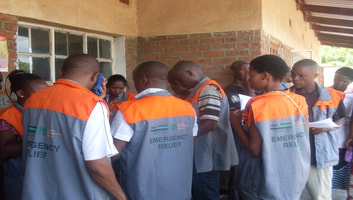
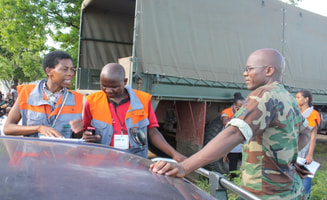
Division of roles by team leader for distribution
|
|
|
|
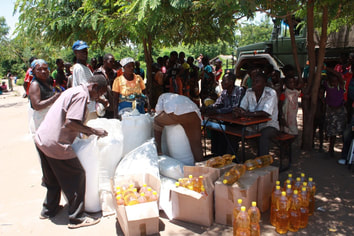
A display of relief items ready for distribution
|
|
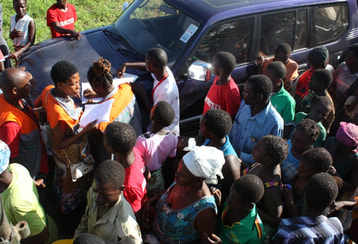
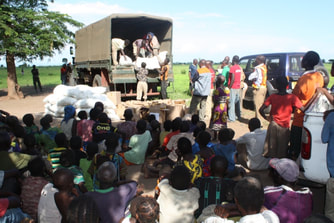
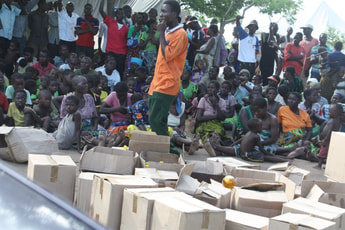
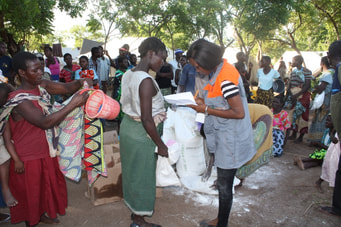
Organisation of victims and distribution of relief items
|

|

|
|
|
|
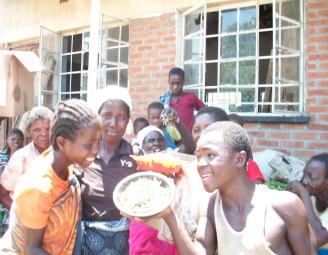
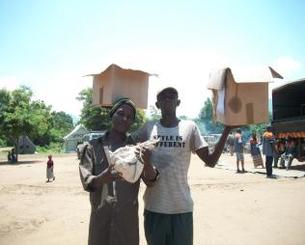
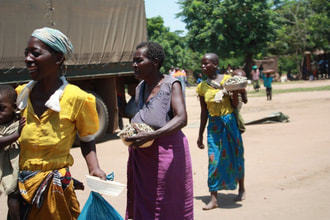
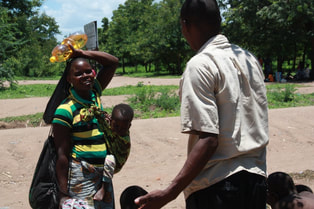
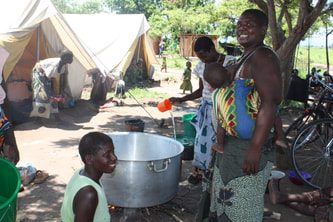
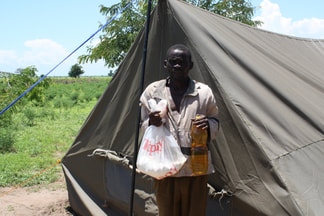
Happy faces of victims after receiving support
|
|
|
|
|
|